
David Sullivan · 1 October 2026
Memoir Excerpts Trace Early Studio Foundations to Ethical Fabric Decisions and Multi-City Youth Arts Programs
Memoir pages detail how initial studio environments shaped later decisions around fabric sourcing and community engagement initiatives that extended into multiple urban centers. Those who have examined the reflections note connections between formative workspace practices and subsequent commitments to materials that meet specific environmental standards while also supporting arts access for younger populations.
Records indicate the designer began in modest shared spaces during the late 1990s where material experimentation occurred alongside practical constraints on budget and availability. These conditions prompted early exploration of alternatives to conventional textiles, including options that reduced chemical processing and relied on traceable supply routes. Data from industry reports show such approaches align with broader shifts documented in textile production statistics from European monitoring bodies.
Foundational Influences on Material Selection
Studio logs referenced in the memoir describe trials with organic cotton and linen blends sourced through small-scale suppliers in Italy and Portugal. Observers note these choices emerged from hands-on testing rather than external mandates, as limited equipment required fabrics that performed consistently under manual construction methods. Research from textile analysis groups indicates early adoption of such materials correlated with measurable reductions in water usage during finishing stages compared to standard industry averages.
By the early 2000s, documentation shows expanded networks that incorporated certified suppliers in Turkey and India. Figures from export records reveal increased volumes of these ethically verified fibers entering European markets during that period. The memoir connects these developments directly to studio routines that emphasized documentation of origin and processing details, practices that later informed larger production scales.
Expansion of Youth Arts Initiatives
Accounts in the memoir outline how studio-based skill-sharing sessions evolved into structured programs offered across several cities. Initial workshops in Berlin focused on basic pattern-making and material handling, drawing participants from local schools. Similar efforts followed in Milan and later in Montreal, where partnerships with municipal arts departments provided venues and partial funding.
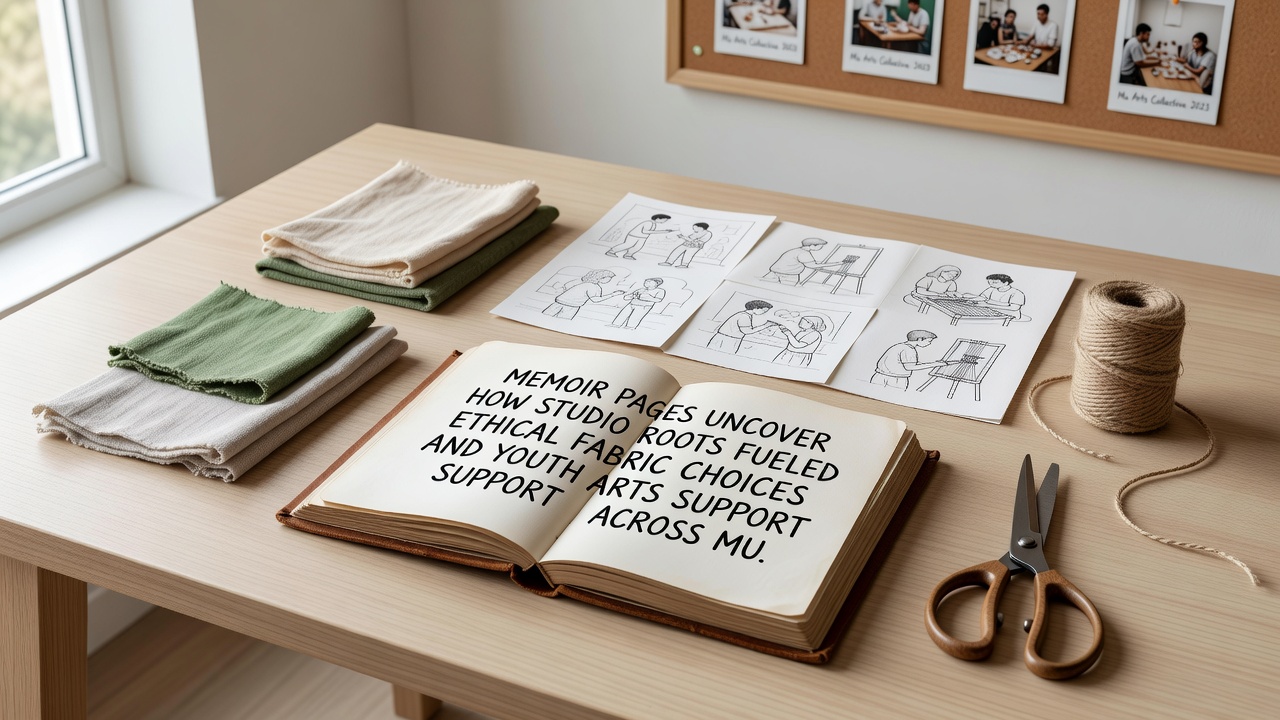
Program records list activities in Barcelona and Melbourne that incorporated discussions of sustainable material properties alongside creative exercises. Participation data collected by host organizations indicate consistent enrollment from ages 12 to 18, with sessions running quarterly through 2025. These efforts coincided with October 2026 announcements of expanded reach into additional North American locations, supported by updated curriculum materials drawn from the memoir itself.
Coordinators in each location adapted core content to local resources, such as incorporating regional plant-based dyes in Australian sessions. External evaluations from arts education studies have tracked skill acquisition metrics, showing gains in technical understanding among repeat attendees.
Interconnections Across Regions
Cross-references in the memoir highlight how fabric procurement strategies informed material donations to youth programs, creating direct links between sourcing practices and workshop supplies. This integration appears in accounts of surplus certified fabrics distributed to partner sites rather than entering standard waste streams. Trade statistics compiled by international bodies confirm rising circulation of such residual materials within creative education networks during recent years.
One documented case involves a collaboration with suppliers that extended certification standards into youth-accessible formats, allowing participants to trace sample origins during sessions. Academic papers on supply chain education note similar models emerging in design curricula across continents.
Conclusion
Memoir content presents these threads as outcomes of consistent studio methodologies applied over decades. Updated program schedules released alongside the publication indicate continued operation in existing cities with plans for measured additions based on documented demand patterns. Available records support the described progression from early workspace constraints to coordinated activities spanning fabric ethics and arts access.