Uma Schmitt · 15 October 2026
Designer Career Paths: From Studio Origins to Impactful Youth Empowerment Programs
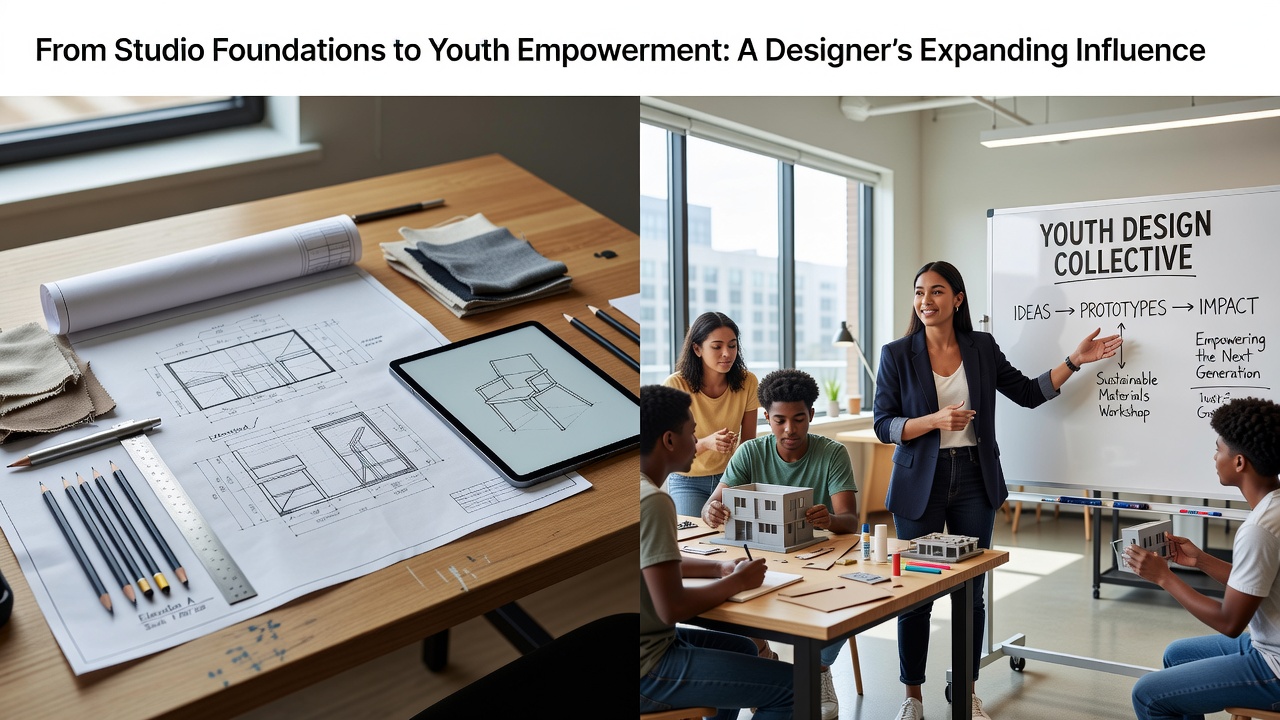
Many designers begin their careers in small studio settings where they develop core skills in sketching, material selection, and iterative prototyping, yet over time some extend those foundations into broader initiatives that support young people through arts education and community projects. Research from the European Commission on cultural and creative sectors indicates that such transitions often occur when established professionals seek to apply their technical expertise in educational contexts, and data from 2024 shows increased funding for youth arts programs across multiple EU member states.
Studio work typically involves long hours refining techniques and collaborating with small teams, while the move toward youth empowerment introduces new challenges such as curriculum design and partnership building with schools. Observers note that this expansion allows designers to share knowledge gained from years of practice, and one case involved a professional who started with private commissions before launching workshops in several cities during 2025.
Early Studio Foundations Shape Later Initiatives
Foundational years in a studio environment teach precision and problem solving that later prove valuable when guiding younger participants through creative exercises, and evidence from industry reports highlights how these early experiences build the confidence needed for public outreach. Those who have studied career trajectories in design fields point out that many individuals spend five to ten years honing their craft before branching into mentorship roles, and statistics from the Australian Department of Education reveal rising enrollment in after-school arts programs linked to professional designers.
Material choices made during studio phases, including ethical sourcing decisions, sometimes carry over into educational settings where young learners explore sustainable options, and this continuity creates tangible learning opportunities. But here's the thing: the shift requires adapting communication styles from client meetings to age-appropriate instruction, and researchers have documented successful adaptations through case studies in North American design schools.
Expanding Reach Through Youth Arts Programs
Youth empowerment efforts often take the form of multi-session workshops that combine design principles with personal development goals, and figures from UNESCO arts education initiatives demonstrate measurable gains in participant self-expression and teamwork skills. In October 2026 several European cities plan coordinated events where designers will lead sessions on visual storytelling, building on prior pilot programs that reached over 2,000 students in the previous year.
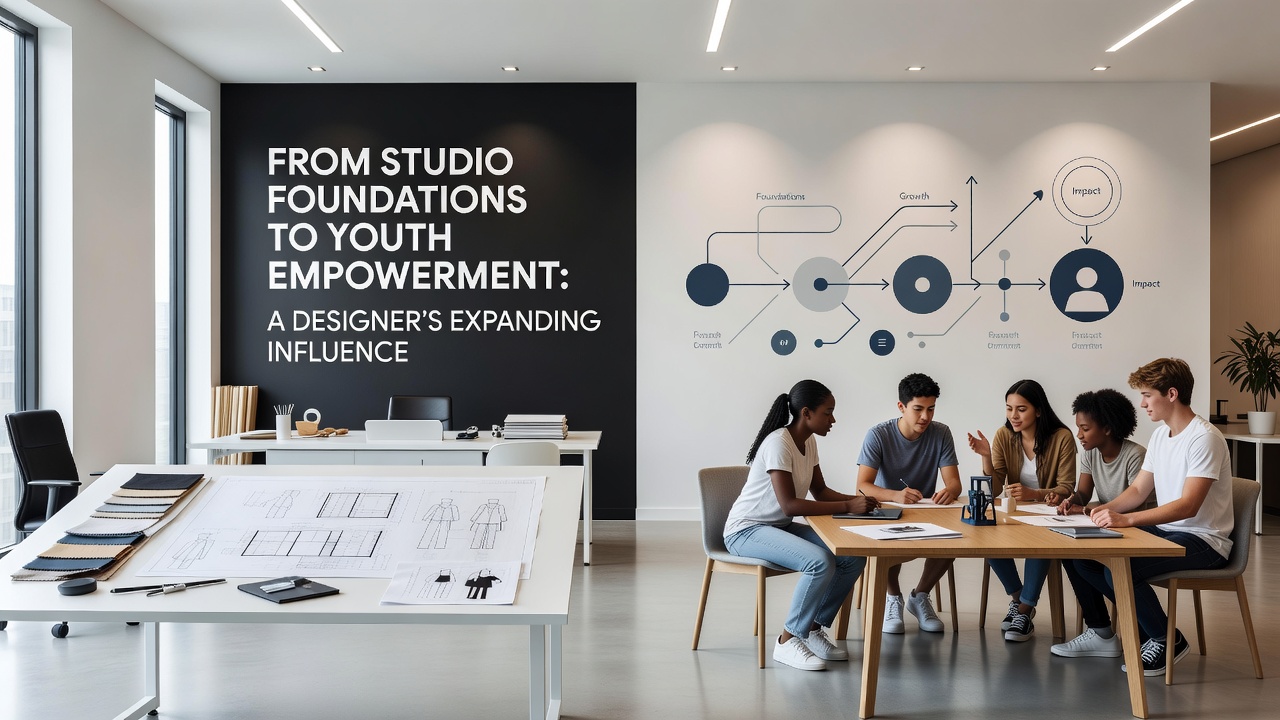
Partnerships with local organizations help scale these efforts, and data indicates that involvement from experienced designers correlates with higher retention rates among teenage attendees. What's interesting is how studio-honed project management skills translate directly to coordinating group activities across different locations, and one documented example from Canadian cultural agencies shows sustained program growth when designers contribute both creative direction and logistical oversight.
Participants frequently report increased interest in design careers after exposure to real-world applications, and reports compiled by the Canadian Heritage department underscore the role of such programs in addressing access gaps for underrepresented youth. Yet the expansion also brings administrative demands that require additional training, and industry associations have responded by offering targeted professional development resources.
Broader Influence and Future Directions
As designers move from isolated studio practice to community-facing roles, their influence widens to include policy discussions on arts funding and curriculum integration, and evidence suggests these contributions help shape more inclusive educational frameworks. Observers have tracked similar patterns in the UK where government-backed creative learning programs now incorporate input from practicing designers at early planning stages.
Long-term outcomes remain under study, but initial findings point to lasting effects on participant confidence and skill acquisition, and connections formed during workshops sometimes lead to ongoing mentorship relationships. The reality is that scaling these efforts depends on sustained collaboration between design professionals, educators, and funding bodies, while geographic diversity in program locations continues to grow.
Conclusion
The progression from studio foundations to youth empowerment represents a documented career pattern among some designers, supported by data from international cultural organizations and national education departments, and ongoing initiatives scheduled through 2026 illustrate continued momentum in this area. Such developments highlight how technical expertise cultivated in private practice can support wider community goals when adapted thoughtfully.